

Licensing Resources
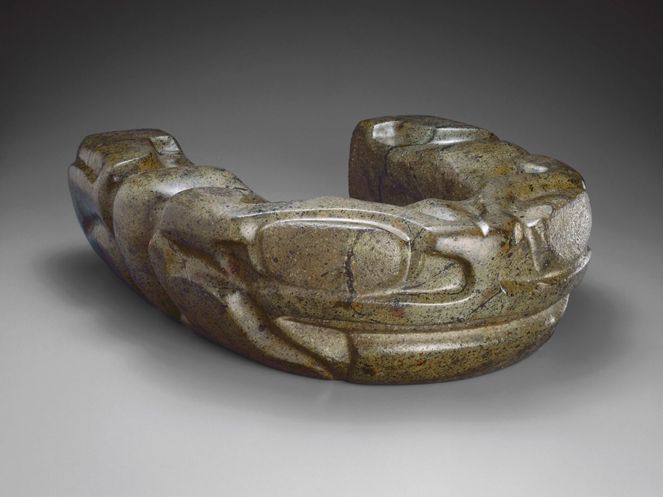
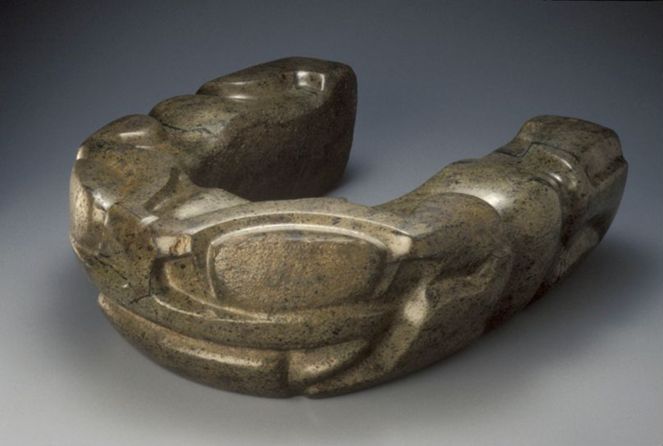
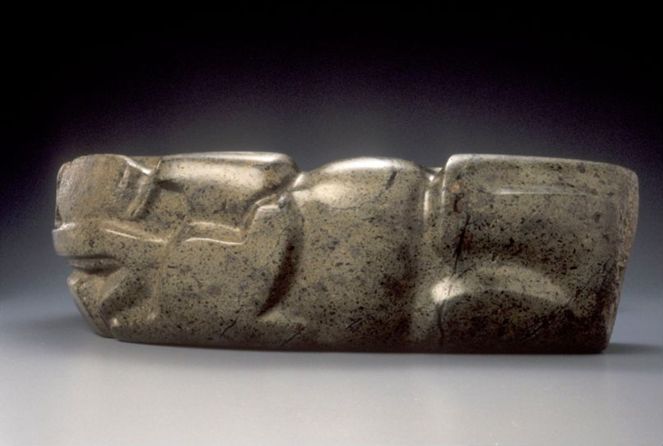
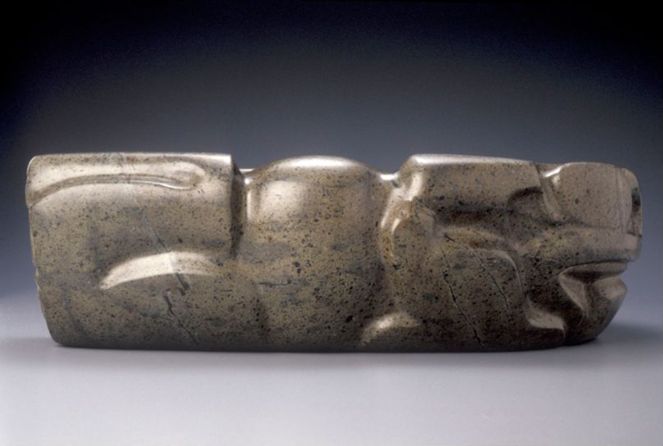
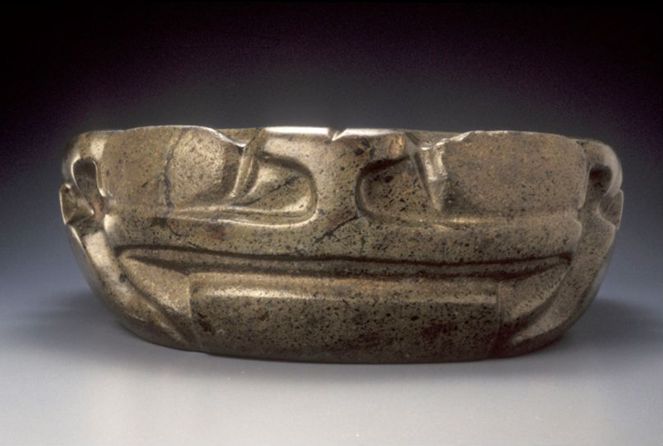
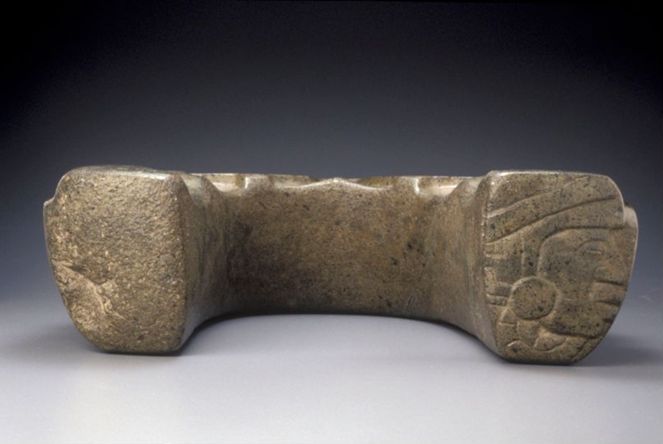
ballgame waist yoke in the form of a mythological Toad
300-600
Veracruz culture
2003.50
Not currently on view

Attribution Incomplete Notice
Collections and items in our institution have incomplete, inaccurate, and/or missing attribution. We are using this notice to clearly identify this material so that it can be updated, or corrected by communities of origin. Our institution is committed to collaboration and partnerships to address this problem of incorrect or missing attribution.

Open to Collaborate Notice
Our institution is committed to the development of new modes of collaboration, engagement, and partnership with Indigenous peoples for the care and stewardship of past and future heritage collections.

Traditional Knowledge Notice
The TK Notice is a visible notification that there are accompanying cultural rights and responsibilities that need further attention for any future sharing and use of this material. The TK Notice may indicate that TK Labels are in development and their implementation is being negotiated. For more information about the TK Notice, visit localcontexts.org.
Learn more about our Local Contexts research and to connect with Newfields' staff.
Artwork Details
4-3/4 x 15 x 15-1/2 in.
Accession NumberLucille Stewart Endowed Art Fund
CopyrightSold in New York at Parke-Bornet Galleries (now Sotheby's) November 9, 1968, lot 77.
This yoke depicts the body of a toad, which is associated with the Earth Dragon deity, a symbol of the earth, rulership and fertility.
Both sides of this yoke depict heads of jaguars, an animal associated with rulers.
The curved shape of the yoke symbolizes a cave, an entrance to the Underworld.
It is not known if heavy stone yokes, like this one, were used in play or if they appeared only during rituals.
Wooden and hide yokes, which have not survived, were used during the game to volley a solid rubber ball.
The ritual ballgame was a pervasive religious and political feature of ancient Mesoamerica, the region encompassing most of Mexico and neighboring Central America.
The game served to maintain the cosmic balance of the sun and planets, and the cycle of death and rebirth.
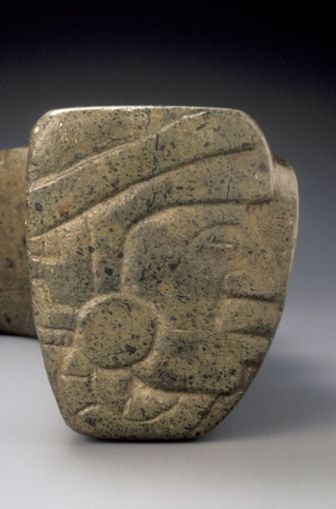
At one time, the partially missing end of this yoke depicted a head.
The face at the end of this yoke is one of the Hero Twins, gods who played the ballgame against the Lords of the Underworld, and defeated them with cunning and skill.
Exhibition Name
Venue
Dates
The Viewing Project: The Museum of Wonder
Indianapolis Museum of Art
October 14, 2011 - April 15, 2012
Content Disclaimer and Usage Rights
Metadata about the Indianapolis Museum of Art’s collection comes from Newfields’ records and research. In some cases, information may be incomplete and research is ongoing. Newfields’ goal is to have as up-to-date metadata as possible, therefore, this information is subject to change. Newfields collections’ metadata is available under a Creative Commons Zero (CC0) waiver, which allows for re-use without legal restrictions.
Artworks that appear in the image file(s) above may be in copyright or have other legal and/or cultural restrictions to their use. For clarity, Newfields does not claim copyright to the image files created by Newfields of artworks in the Indianapolis Museum of Art’s collection. Newfields makes every effort to ascertain the copyright status of artworks in the Indianapolis Museum of Art’s collection. Please refer to the RightsStatements.org statement above for information about the current copyright status of the artwork. Additionally, some artworks may include Local Context’s Notices or Labels, which are tools that support Indigenous communities to reassert cultural authority in heritage collections and data.
Additional information about Newfields’ reproduction guidelines can be found in the Licensing Resources.